
Financial stability planning is the cornerstone of a safe financial future, allowing you to meet everyday expenses, prepare for emergencies, and save for retirement. At its core, financial stability planning means understanding your financial needs and crafting a plan custom to your personal goals and circumstances. Whether you’ve struggled with financial planning in the past or are just seeking a clear path forward, this guide will help you build a robust and resilient financial plan.
Here’s how to get started:
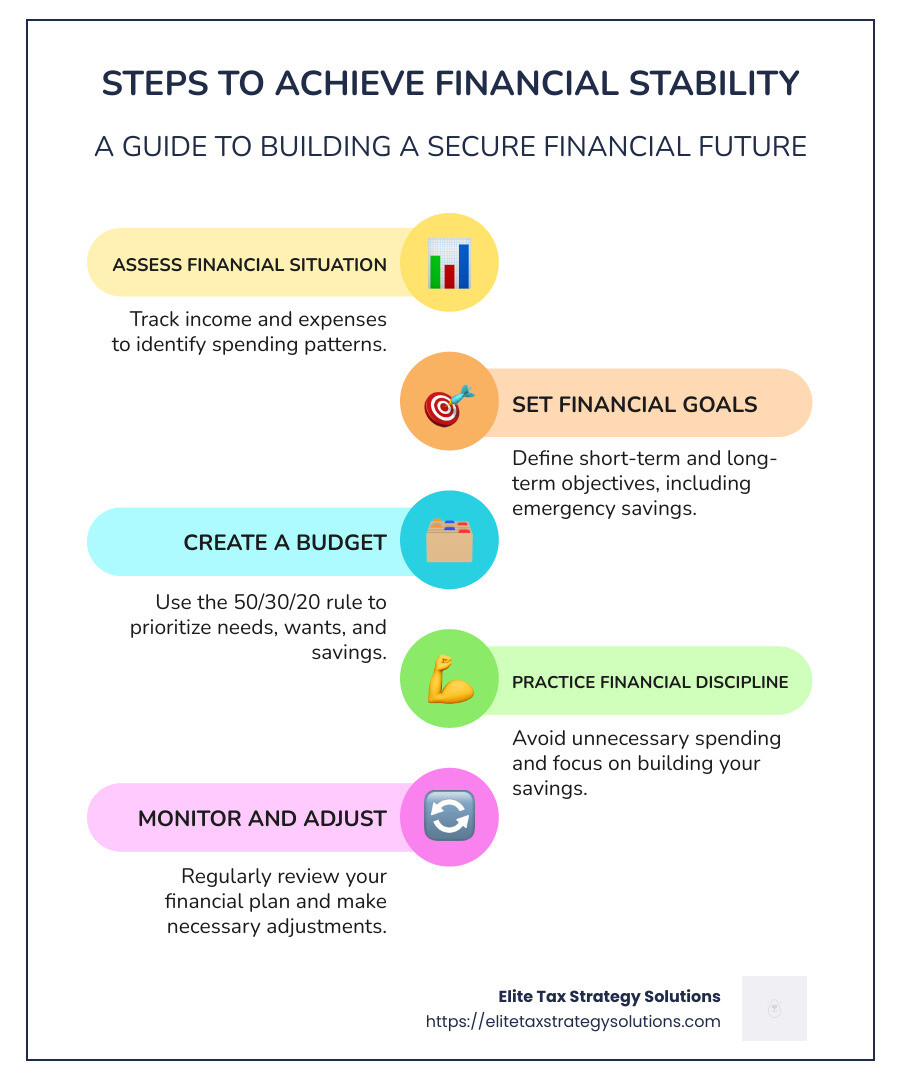
- Assess Your Current Financial Situation: Begin by tracking your income and expenses to identify spending patterns.
- Set Clear Financial Goals: Define your short-term and long-term objectives, including emergency savings.
- Create a Realistic Budget: Use the 50/30/20 rule to prioritize necessities, wants, and savings.
- Practice Financial Discipline: Avoid unnecessary spending and focus on building your savings.
I’m David Fritch, and I’ve spent over four decades perfecting the art of financial stability planning through running my own firm and advising on investments. With a background in elite tax strategies, my focus has always been helping individuals and businesses optimize their financial paths.
Financial stability planning glossary:
– business tax reduction
– high-income tax planning
– tax planning for small businesses
Understanding Your Financial Situation
To start financial stability planning, you must first understand your current financial situation. This involves three key steps: tracking income, categorizing expenses, and calculating your net worth.
1. Tracking Income
The first step is to document all your sources of income. This includes your salary, bonuses, freelance work, or any other income streams. Even small amounts count, as they contribute to your overall financial picture. Think of this as creating a comprehensive map of your financial inflow.
Why is this important? Knowing exactly how much money you have coming in each month helps you make informed decisions about spending and saving.
2. Categorizing Expenses
Next, categorize your expenses. Break them down into groups like housing, utilities, groceries, transportation, entertainment, and savings. This helps you see where your money goes each month.
- Housing: Rent or mortgage payments, property taxes
- Utilities: Electricity, water, internet
- Groceries: Food and household supplies
- Transportation: Car payments, gas, public transport
- Entertainment: Dining out, movies, hobbies
- Savings: Emergency fund, retirement accounts
Once you have your expenses categorized, you can identify areas where you might be overspending and find opportunities to cut back.
3. Calculating Net Worth
Finally, calculate your net worth. This is the total value of what you own (your assets) minus what you owe (your liabilities).
Assets can include:
– Cash in checking and savings accounts
– Investments such as stocks or retirement accounts
– Real estate or property
– Personal possessions like vehicles or valuable items
Liabilities might involve:
– Mortgages
– Credit card debt
– Student loans
– Other personal loans
Subtract your total liabilities from your total assets to get your net worth. This number is a snapshot of your financial health and can help you track your progress over time.
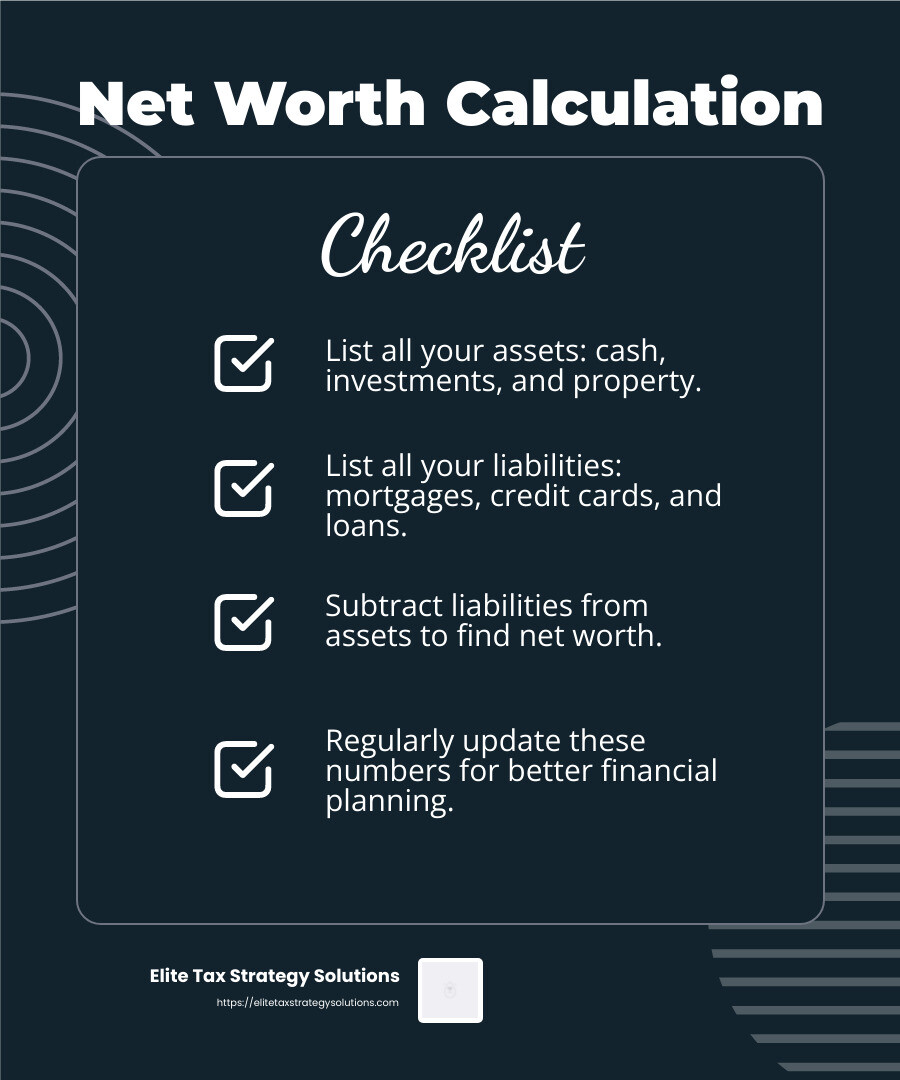
Regularly review and update these calculations. This will help you monitor changes in your financial situation and adjust your financial stability planning as needed.
By understanding your financial situation thoroughly, you lay a solid foundation for setting financial goals and creating a realistic budget. Next, we’ll explore how to set clear financial goals to guide your journey to financial stability.
Setting Clear Financial Goals
Setting clear financial goals is a crucial step in financial stability planning. These goals give purpose to your budgeting and saving efforts, helping you stay focused and motivated. Let’s break it down into short-term goals, long-term goals, and establishing an emergency fund.
Short-Term Goals
Short-term goals are the building blocks of your financial plan. These are objectives you aim to achieve within the next year or so. A few common short-term goals include:
- Establishing a Budget: Start by creating a budget that aligns with your income and expenses. This ensures you know where your money is going each month.
- Reducing Debt: Focus on paying off high-interest debt like credit cards. This can free up more money for savings.
- Building an Emergency Fund: Aim to save $500 to $1,000 initially. This fund acts as a financial safety net for unexpected expenses.
Long-Term Goals
Long-term goals require more planning and patience, as they often take several years to achieve. They might include:
- Saving for Retirement: Consider contributing regularly to retirement accounts like a 401(k) or IRA. The earlier you start, the more time your money has to grow.
- Purchasing a Home: If homeownership is a goal, start saving for a down payment and improving your credit score.
- Planning for Education: If you have children, you might want to set aside funds for their future education.
Building an Emergency Fund
An emergency fund is a cornerstone of financial stability. It provides a cushion for life’s unexpected challenges, such as medical emergencies or job loss. Financial experts recommend saving 3-6 months’ worth of living expenses.
- Why is it important? An emergency fund helps you avoid going into debt when faced with unforeseen expenses.
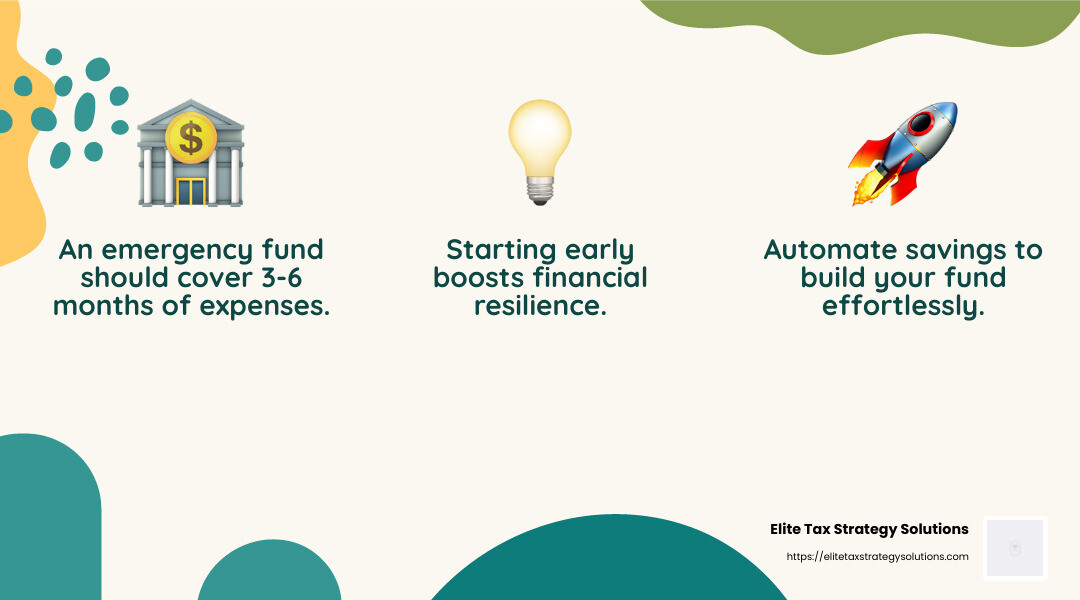
To build your emergency fund:
- Set a monthly savings target and treat it like a non-negotiable expense.
- Use automatic transfers to a separate savings account to make saving easier.
By setting clear financial goals, you create a roadmap for your financial journey. These goals guide your decisions and help you stay on track toward achieving financial stability. Next, we’ll explore how to create a realistic budget that aligns with these goals.
Creating a Realistic Budget
Creating a realistic budget is a key part of financial stability planning. It helps you manage your money effectively and ensures that your spending aligns with your financial goals. Let’s explore the essentials of budgeting, including the 50/30/20 rule, prioritizing needs, and being flexible with your budget.
The 50/30/20 Rule
The 50/30/20 rule is a simple guideline to help you allocate your income. Here’s how it works:
- 50% for Needs: Dedicate half of your income to essentials like housing, utilities, groceries, and transportation.
- 30% for Wants: Use 30% for non-essentials like dining out, entertainment, and hobbies.
- 20% for Savings and Debt Repayment: The remaining 20% should go towards savings and paying off debt.
This rule helps you balance your spending and ensures you’re saving for the future while still enjoying life.
Prioritize Needs Over Wants
When budgeting, it’s important to distinguish between needs and wants. Needs are essentials required for living, while wants are things that improve your lifestyle but aren’t necessary.
- Identify Your Needs: Make a list of your monthly essential expenses. These are non-negotiable and should be funded first.
- Limit Your Wants: After covering your needs, allocate funds for wants. Be mindful not to overspend in this category.
By prioritizing needs, you ensure that your basic living expenses are covered, reducing financial stress.
Flexible Budgeting
Life is unpredictable, and your budget should reflect that. Flexibility is crucial in adapting to changes in your financial situation.
- Review Regularly: Check your budget monthly to see if you’re on track. Adjust categories as needed.
- Adapt to Changes: If your income changes or unexpected expenses arise, revisit your budget and make necessary adjustments.
Being flexible with your budget allows you to respond to life’s ups and downs without derailing your financial plan.
Creating a realistic budget is about understanding your spending habits and aligning them with your financial goals. By using the 50/30/20 rule, prioritizing needs, and staying flexible, you can build a budget that supports your journey toward financial stability. Next, we’ll discuss how practicing financial discipline can further improve your budgeting efforts.
Practicing Financial Discipline
Financial discipline is about making smart choices with your money. It helps you stick to your budget and reach your financial goals. Let’s look at some key ways to practice financial discipline: avoid impulse purchases, limit credit usage, and save first.
Avoid Impulse Purchases
Impulse purchases can quickly throw your budget off track. A study from Investopedia revealed that tracking your spending can help you see where your money is going and avoid unnecessary buys.
- Create a Shopping List: Before you shop, make a list of what you need. Stick to it to avoid buying things on a whim.
- Wait Before Buying: If you see something you want, wait 24 hours before purchasing it. This gives you time to decide if it’s necessary.
By controlling impulse buys, you keep your spending in line with your financial goals.
Limit Credit Usage
Using credit cards can be convenient, but it’s easy to overspend. High-interest debt can pile up fast, making it harder to save.
- Use Cash or Debit: Whenever possible, pay with cash or a debit card. This way, you only spend what you have.
- Pay Off Balances Monthly: If you use credit, aim to pay off the balance each month. This avoids interest charges and keeps your debt in check.
Limiting credit use helps you avoid debt and keeps your financial plan on track.
Save First
Saving should be a priority, not an afterthought. The research suggests setting aside a portion of your income for savings before anything else.
- Automate Savings: Set up automatic transfers to your savings account. This ensures you save consistently without thinking about it.
- Treat Savings as a Bill: Consider your savings a non-negotiable monthly expense, just like rent or utilities.
By saving first, you build a financial cushion that supports your future goals.
Practicing financial discipline is crucial for maintaining a realistic budget and achieving financial stability. By avoiding impulse purchases, limiting credit usage, and saving first, you can stay on track and make the most of your money. Next, we’ll explore how to monitor your progress and adjust your budget to ensure continued success in your financial stability planning journey.
Financial Stability Planning
Financial stability planning is about creating a plan to keep your finances steady and secure. It involves knowing where your money goes, making smart choices, and adjusting as needed. Let’s explore how you can monitor your progress and adjust your budget to stay on track.
Monitor Progress Regularly
Keeping an eye on your financial progress is key. You need to know if you’re moving towards your goals or if changes are needed.
- Monthly Check-Ins: Set a specific day each month to review your income and expenses. Compare them to your budget to see if you’re on track.
- Use Tools and Apps: Budgeting apps can make tracking easier. They can show you where your money goes and help you spot patterns or areas for improvement.
By monitoring regularly, you can catch any issues early and make adjustments as necessary.
Adjust Your Budget
Your budget isn’t set in stone. Life changes, and your budget should too.
- Flexible Categories: If you notice you’re always overspending in a category, like groceries or entertainment, adjust your budget. Maybe you need to allocate more funds there and cut back elsewhere.
- Celebrate Wins: When you reach a savings goal or pay off debt, celebrate! Recognizing these milestones keeps you motivated.
Adjusting your budget ensures it reflects your current situation and goals.
Stay Motivated
Keeping your financial plan on track can be tough, but staying motivated helps.
- Visualize Your Goals: Keep a picture or note of your goals where you can see it daily. This reminds you why you’re working hard.
- Find a Buddy: Share your goals with a friend or family member. They can offer support and hold you accountable.
By maintaining motivation, you’re more likely to stick to your plan.
Monitoring progress and adjusting your budget are essential parts of financial stability planning. By doing these regularly, you ensure your finances remain steady and aligned with your goals. Next, we’ll address some common questions about financial stability planning to help you further on your journey.
Frequently Asked Questions about Financial Stability Planning
What are the 3 rules of financial planning?
-
Spend Less Than You Earn: This might sound simple, but it’s the cornerstone of financial stability planning. If you consistently spend more than you make, debt can pile up quickly. Keep a close eye on your income and expenses, and aim to live below your means.
-
Save for the Future: Saving isn’t just for emergencies; it’s also for future goals like buying a house or retiring comfortably. A good rule of thumb is to save at least 20% of your income, as suggested by the 50/30/20 rule.
-
Invest Wisely: Let your money work for you. Investing in growth assets can help you build wealth over time. Be prudent and diversify your investments to reduce risk and maximize returns.
What salary is considered financially stable?
The salary needed to be financially stable can vary widely based on location, lifestyle, and personal goals. However, a common measure is being able to cover all your expenses, save for emergencies, and contribute to retirement without stress.
In some areas, a salary of around $75,000 to $100,000 might be considered stable, while in others, it could be higher due to the cost of living. It’s not just about how much you earn, but how well you manage your money.
At what age should you be financially stable?
There’s no exact age by which you must be financially stable, as everyone’s journey is different. However, aiming for financial stability by your late 30s or early 40s is a reasonable goal for many.
By this age, you should ideally have:
- An emergency fund with 3-6 months’ worth of expenses
- A plan for paying off high-interest debt
- Regular contributions to retirement savings
Reaching financial stability earlier is always beneficial, but it’s never too late to start. The key is to make consistent progress towards your financial goals, no matter your age.
These FAQs provide a clearer picture of what it means to achieve financial stability and how you can work towards it. In the next section, we’ll conclude by discussing how Elite Tax Strategy Solutions can assist you with a personalized and proactive approach to financial planning.
Conclusion
Achieving financial stability can feel overwhelming, but you don’t have to do it alone. At Elite Tax Strategy Solutions, we specialize in personalized tax planning that aligns with your financial goals. Our focus is on helping high earners and closely held businesses maximize their tax savings and achieve financial stability.
Our proactive approach means we stay ahead of changes in tax laws and financial regulations, ensuring that your financial plan is always optimized. By working with us, you gain access to a team that understands the complexities of financial planning and is committed to helping you reach your goals.
Whether you’re just starting out or looking to refine your existing plan, our custom strategies are designed to fit your unique needs. We believe that with the right guidance and a personalized plan, financial stability is within your reach.
Let us help you steer the path to financial success. With our support, you can confidently move towards a future where your financial goals are not just dreams, but realities.
For more information or to start your journey with us, contact Elite Tax Strategy Solutions today. Together, we can build a solid foundation for your financial future.